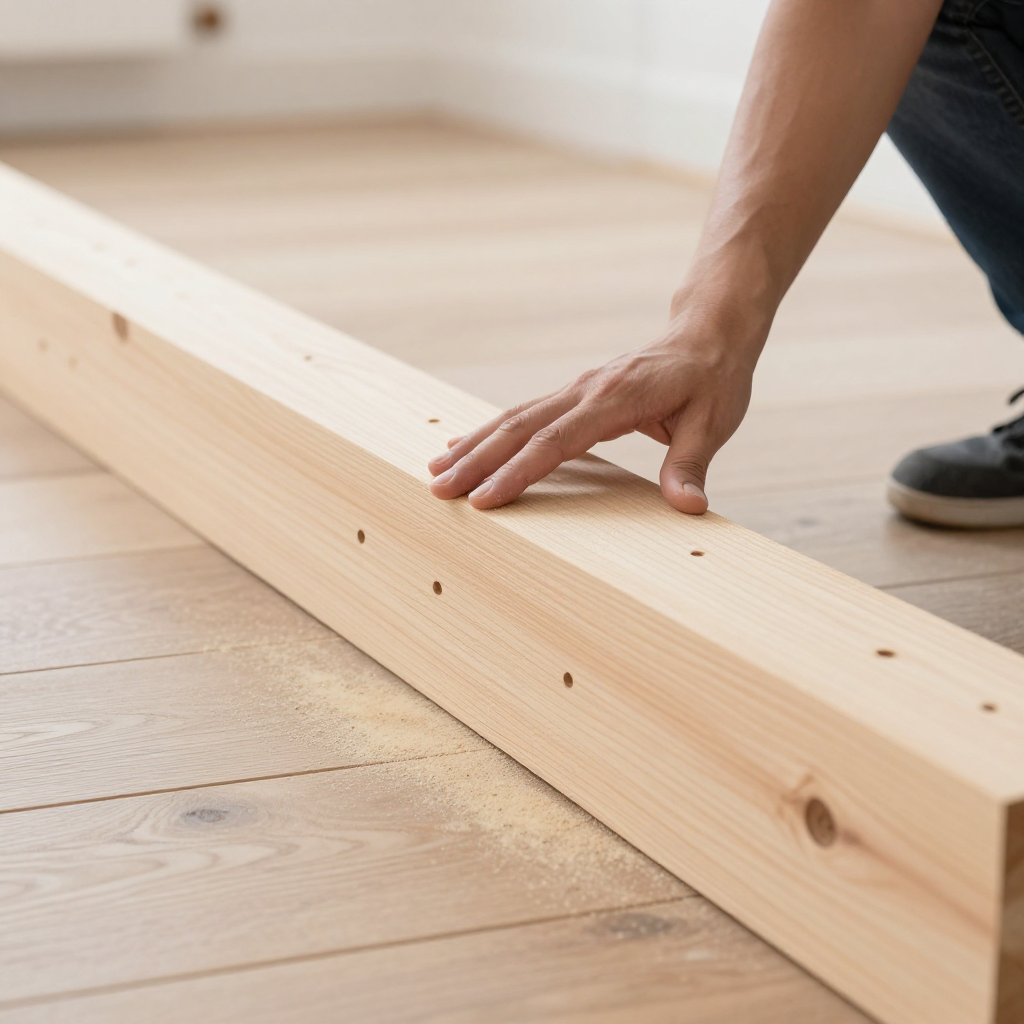
Wood adds beauty, strength, and value to homes. From roof beams and flooring to furniture, decking, fences, and structural supports, timber plays an important role in many properties. However, because wood is a natural material, it can become vulnerable to moisture, pests, mold, cracking, and structural wear over time.
Unfortunately, many homeowners do not notice timber problems until repairs become expensive. Small warning signs such as damp patches, tiny holes, weak wood, or cracks may seem harmless at first, but ignoring them often leads to larger structural problems later.
The good news is that costly wood repairs are often preventable. With regular maintenance, moisture control, early inspections, and preventive care, homeowners can greatly reduce repair costs and extend the life of wooden structures.
Many homeowners researching timber care through shashel.eu/ understand that prevention is far cheaper than major restoration work.
In this guide, we will explain how to avoid costly wood repairs and protect timber for the long term.
Inspect Wood Regularly
Routine inspection is one of the best ways to prevent expensive repairs.
Areas to Inspect
Check:
- Roof beams
- Floorboards
- Wooden walls
- Furniture
- Outdoor timber
Warning Signs to Watch For
Look for:
- Tiny holes in wood
- Powdery dust
- Cracks
- Weak timber
Early detection prevents bigger problems.
Small warning signs matter.
Many homeowners exploring timber care through shashel.eu understand that regular inspections often prevent expensive structural repairs.
Keep Wood Dry
Moisture is one of timber’s biggest enemies.
Why Moisture Causes Damage
Damp wood becomes vulnerable to:
- Rot
- Mold
- Woodworm
- Structural weakening
Common Moisture Sources
Watch for:
- Roof leaks
- Plumbing leaks
- Condensation
Dry timber naturally lasts longer.
Fast repairs matter.
Fix Small Problems Early
Minor damage becomes expensive if ignored.
Common Small Problems Include
- Small cracks
- Loose joints
- Weak areas
Why Early Repairs Help
Fixing problems quickly prevents:
- Larger structural damage
Early action saves money.
Healthy timber needs regular care.
Improve Home Ventilation
Poor airflow traps moisture.
Why Ventilation Matters
Healthy airflow helps:
- Reduce humidity
- Prevent dampness
High-Risk Areas Include
- Attics
- Crawl spaces
- Basements
Dry conditions protect timber naturally.
Healthy airflow matters.
Protect Against Woodworm and Termites
Hidden pests often create major repair costs.
Common Timber Pests Include
- Woodworm
- Termites
- Beetles
Warning Signs Include
- Tiny holes
- Powdery dust
- Hollow sounds
Fast treatment prevents expensive structural repairs.
Healthy wood discourages pests.
Seal Cracks and Openings
Small gaps often lead to bigger problems.
Why Cracks Matter
Openings may allow:
- Moisture entry
- Pest access
Areas Worth Inspecting
Check:
- Window frames
- Roof beams
- Wooden walls
Simple repairs improve protection.
Small maintenance efforts matter.
Protect Outdoor Timber
Outdoor wood faces constant weather exposure.
High-Risk Outdoor Areas Include
- Decking
- Fences
- Wooden stairs
Helpful Protection Tips
Use:
- Protective coatings
- Weather-resistant finishes
Outdoor maintenance improves durability.
Healthy timber lasts longer.
Maintain Roofs and Gutters
Water management matters.
Why Roof Maintenance Helps
Leaks increase timber damage risk.
Areas to Check
Inspect:
- Gutters
- Roof tiles
- Drainage systems
Healthy drainage protects wooden structures.
Routine care prevents moisture problems.
Watch for Mold Growth
Mold often signals hidden moisture issues.
Warning Signs Include
- Musty smells
- Dark patches
Why Mold Matters
Mold weakens wood over time.
Healthy airflow reduces risk.
Never ignore moisture problems.
Inspect Hidden Areas
Hidden spaces often develop unnoticed damage.
High-Risk Areas Include
- Roof spaces
- Attics
- Crawl spaces
Why Inspection Matters
Damage often spreads quietly.
Routine checks improve prevention.
Hidden timber deserves attention.
Protect Wooden Furniture
Furniture maintenance also matters.
Helpful Furniture Care Tips
Keep furniture:
- Dry
- Clean
Inspect for:
- Loose joints
- Small cracks
Routine care improves durability.
Healthy furniture lasts longer.
Consider Modern Timber Protection Methods
Modern wood care continues improving.
Common Solutions Include
- Heat treatment
- Microwave treatment
These methods may help eliminate hidden wood pests safely.
Professional advice improves results.
Many homeowners researching timber care through shashel.eu increasingly explore advanced wood protection to reduce long-term repair costs.
Common Mistakes Homeowners Make
Ignoring Small Signs
Tiny damage often becomes expensive later.
Delaying Repairs
Problems spread over time.
Skipping Inspections
Hidden issues remain unnoticed.
Ignoring Moisture
Dampness weakens timber.
Consistency improves protection.
Long-Term Benefits of Prevention
Preventive care offers major advantages.
Benefits Include
- Lower repair costs
- Longer timber lifespan
- Better structural safety
- Improved property value
Healthy timber protects the entire home.
Prevention saves money.
Conclusion
Avoiding costly wood repairs begins with prevention. Regular inspections, moisture control, ventilation, fast repairs, and proper maintenance all help protect timber before serious damage develops.
Watching for warning signs such as cracks, powdery dust, weak timber, mold, or moisture problems allows homeowners to act early and reduce expensive restoration costs.
Many homeowners researching timber care through shashel.eu understand that protecting wood early is one of the smartest investments for preserving a home.